Friday 25 / September / 2026
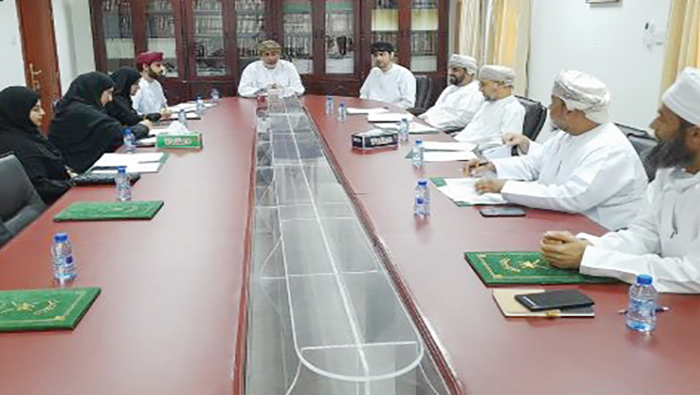
Muscat: During Ramadan, authentic Omani values rooted in solidarity and compassion are reflected in practical initiatives that fulfil families’ requirements. The Walis’ Offices in Muscat Governorate, through the Social Development Committees, organise these efforts within an institutional framework that ensures continuous impact.
The Social Development Committees operate in accordance with Ministry of Social Development Decision No. (217/2024). Their responsibilities include proposing priority projects, organising and supporting voluntary work, improving the living standards of families, and encouraging income-generating projects for low-income groups and persons with disabilities, in coordination with relevant entities.
The Walis’ Offices support volunteer teams, strengthen partnerships with public and private entities, and liaising with institutions and traders to provide Ramadan food parcels and shopping vouchers for needy families, in cooperation with the Oman Charitable Organisation. Thereby simplifying burdens during Ramadan.
Community Voluntary Initiatives
Ramadan initiatives across the wilayats of Muscat Governorate were implemented through direct partnerships between the Social Development Committees in the Walis’ Offices and volunteer teams, ensuring that efforts are well organised and that support reaches its beneficiaries.
In Bawshar, the Social Development Committee organised Ramadan aids according to approved regulations. The Nidaa Charity Team implements a daily programme to distribute Iftar meals, provide food baskets to eligible families, and arrange activities for children that promote values and develop skills.
In Mutrah, supervised by Social Development Committee, the Mutrah Charity Team runs the “Iftar Faster” programme by providing daily meals in mosques and delivering them to expatriate workers and families in far areas. The team implements the “Goodness Basket” initiative, distributing food baskets to registered needy families. As well as, “Their Joy” initiative, which provides Eid garments and arranges activities for children from social security families and orphans.
In Seeb, the Social Development Committee approved the launch of the “Fak Kurba” initiative to contribute to the settlement of debts owed by insolvent individuals. Additionally, organising a consumer festival and implementing “Iftar Faster” programmes and other community initiatives in cooperation with the Omani Women’s Association and community volunteer teams.
The Wali of Muscat Office, in coordination with the Muscat Charity Team, oversees distributing food parcels and shopping vouchers to needy families, reinforcing social solidarity during Ramadan.
The Social Development Committee in Quriyat, in cooperation with the Quriyat Volunteer Team, implements initiatives including the distributing food baskets and meat, “Iftar Faster” programmes, the “Joy of an Orphan” initiative, and settling the debts of insolvent individuals as part of the “Fak Kurba” initiative. The committee also delivers legal awareness programmes serving various society’s members.
Economic Empowerment and a Sustainable Vision
The Social Development Committees focuses on empowering low-income families and persons with disabilities by encouraging income-generating projects in cooperation with relevant entities. Thereby enhancing economic independence and long-term living stability.
Quriyat Volunteer Team continues to consolidate initiatives through continuous programmes such as “Fak Kurba” and “Taysir”, sustaining the food basket programme, settling utility bills, and providing electrical appliances for needy families. The team has launched support campaigns via the “Jood” platform and activated charitable buildings to support voluntary work.
The Mutrah Charity Team transformed the “Goodness Basket” initiative to a quarterly programme currently targeting 60 families, reflecting periodic support programmes.
The Social Development Committees further reinforce this approach by opening channels to attract volunteers, implementing continuous awareness programmes, and monitoring social phenomena while addressing them in coordination with the relevant authorities. They also coordinate social projects funded by the private sector within an integrated partnership framework that brings together government entities, civil society, and the private sector, thereby enhancing the stability and sustainability of social work across the wilayats of Muscat Governorate.
These partnerships are clearly evident in several wilayats, including Quriyat, where the private sector contributes to supporting food baskets, Eid clothing, and the organisation of mass weddings. Providing premises for volunteer teams, thus strengthening the continuity and community impact of institutional voluntary work.