Tuesday 14 / April / 2026
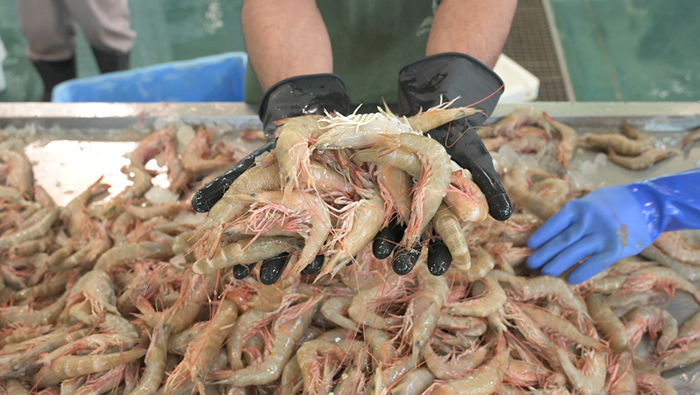
Muscat: The Sultanate of Oman’s aquaculture production recorded a significant increase during 2025, reaching approximately 9,240 tonnes and achieving a growth rate of 67.7 percent compared to 2024.
The total value of this production exceeded OMR20.3 million, marking a 63.7 percent increase in value growth over the previous year.
Dr. Issa Mohammed Al Farsi, Director of the Aquaculture Development Department at the Ministry of Agriculture, Fisheries and Water Resources, stated that the most produced species in Oman’s aquaculture sector are whiteleg shrimp and European seabream, followed by tilapia, Omani abalone, and rock oysters.
The Ministry is adopting a comprehensive vision to develop a competitive and sustainable aquaculture sector that aligns with Oman’s environmental, social, economic, and historical values. This strategy focuses on four main pillars: high international quality, environmental sustainability and responsibility, local community participation, and enhancing national food security, all of which align with Oman Vision 2040 to diversify national income and increase the contribution of non-oil sectors to the GDP.
Al Farsi further explained that the Ministry places special emphasis on supporting entrepreneurs interested in "integrated aquaculture," which combines fish farming with plant cultivation to rationalise water consumption and reduce emissions. Support includes flexible financing packages through the Development Bank and other institutions covering up to 80 percent of project costs, alongside a clear legislative environment and innovation platforms such as "Suggest Your Project" to empower youth and support entrepreneurship.
He added that on the global stage, Omani aquaculture products are targeting major markets including the European Union, the People’s Republic of China, the Republic of Korea, and the Russian Federation, as well as GCC and Arab markets. Compliance with international specifications is ensured through the application of the Best Aquaculture Practices (BAP) system and continuous laboratory testing by the Food Safety and Quality Center.
Additionally, Al Farsi noted that construction began this February on a major whiteleg shrimp project in the Wilayat of Shinas, North Al Batinah Governorate, with an investment of OMR23.5 million over 15 hectares. Annual production for this site is expected to reach 7,500 tonnes upon operation, making it one of the largest aquaculture ventures in Oman.