Tuesday 30 / June / 2026
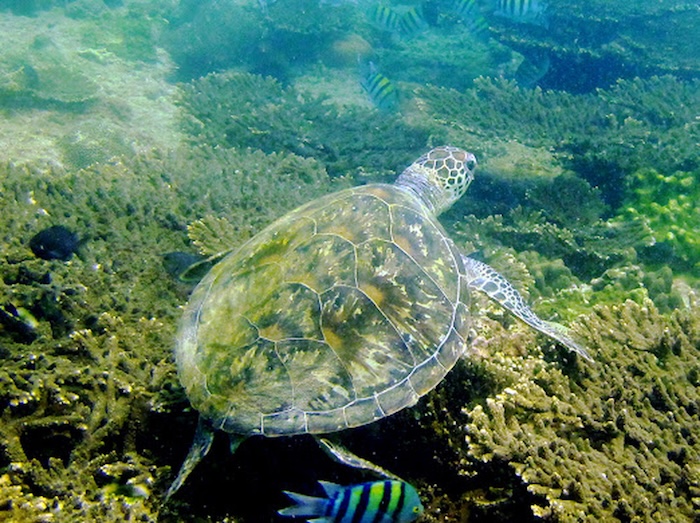
Muscat: The Sultanate of Oman, represented by the Environment Authority, will join countries around the world tomorrow, May 23, in celebrating World Turtle Day, observed annually to raise awareness about the importance of terrestrial and marine turtles and their role in maintaining ecological balance.
The occasion highlights the threats facing turtles, including pollution, overfishing, habitat loss and climate change, while encouraging individuals and institutions to adopt practices that protect wildlife, such as reducing plastic use and preserving beaches. It also sheds light on efforts by scientists and environmental reserves to monitor turtles and protect nesting sites.
Marine turtles in Oman represent an important environmental and tourism asset, particularly in areas such as Ras Al Jinz Turtle Reserve, one of the world’s most prominent nesting sites for green turtles. Oman is also home to olive ridley turtles, locally known as Al-Tajshar, and hawksbill turtles, with relatively small populations estimated at around 100 and 150 turtles respectively.
Meanwhile, Masirah Island hosts approximately 30,000 loggerhead turtles nesting annually, making it one of the most important nesting sites globally. The island’s beaches also host four of the world’s seven marine turtle species: loggerhead, green, hawksbill and olive ridley turtles.
The Environment Authority plays a central role in protecting marine turtles through the establishment of protected areas such as Masirah Island, Ras Al Jinz, and the Daymaniyat Islands Nature Reserve, aimed at safeguarding nesting and breeding habitats.
Protection efforts include monitoring nesting seasons, safeguarding nests from disturbance and predators, collecting scientific data on turtle populations and species, and using satellite tracking technology to study migration routes and movement patterns. These initiatives help authorities develop more effective conservation strategies.
The authority also conducts awareness campaigns in schools and coastal communities to educate the public on the importance of marine turtle conservation and reducing plastic pollution. Efforts are also made to balance turtle protection with sustainable tourism by regulating visitor activities, particularly in nighttime nesting areas.
Ahmed bin Said Al Shukaili, Director of the Marine Environment Department at the Environment Authority, said annual turtle surveys are conducted through environmental centres across governorates including Dhofar, Al Wusta, Muscat, South Al Sharqiyah and South Al Batinah, where nesting sites are located.
He explained that the surveys help assess turtle populations, evaluate nesting success, monitor environmental changes and identify natural and human-related pressures affecting turtles and their habitats, including climate change, pollution and coastal activities.
According to Al Shukaili, recent monitoring programmes recorded increased nesting rates in Ras Al Jinz, the Daymaniyat Islands, and Masirah Island, along with a rise in hatchling numbers.
The authority further noted that monitoring teams have observed environmental changes in recent years that could affect turtle nesting habitats, including coastal erosion, rising sea levels, and the impact of certain human activities on coastal ecosystems.
Meanwhile, Aida bint Khalaf Al Jabriya, Marine Environment Specialist at the Environment Authority, said turtle nesting seasons vary according to species and geographic location. On the Daymaniyat Islands, hawksbill turtles nest between January and April, while green turtles nest at Ras Al Jinz between June and October. On Masirah Island, loggerhead turtles nest from May to September, while hawksbill and olive ridley turtles nest from February to May.
She added that the Environment Authority plans to implement a marine turtle nesting site protection project on Masirah Island in 2027, involving the construction of a two-kilometre natural barrier aimed at regulating vehicle movement and site visits.
Additional projects will focus on reducing marine threats, regulating fishing methods that may endanger turtles, improving beach cleanliness, and strengthening awareness programmes and guidance systems to ensure the long-term conservation of marine turtles and other marine species.