Monday 13 / July / 2026
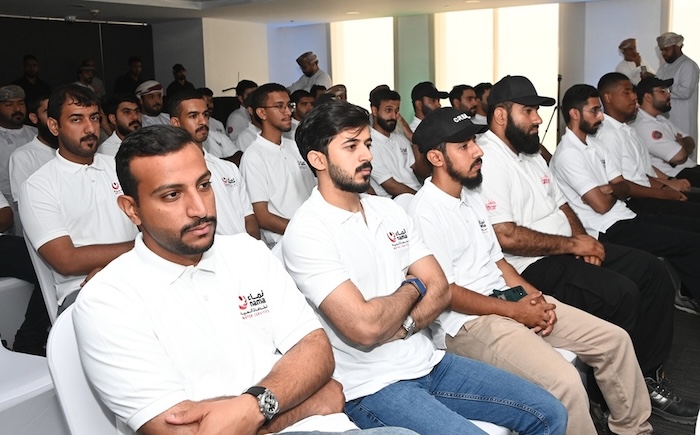
Muscat: Nama Water Services Company announced the completion of the third phase of its program, providing 303 new job opportunities with supporting companies implementing permanent operation and maintenance contracts. These opportunities are distributed across ten governorates within the company's service area, bringing the total number of job opportunities created by the program to 1,188 across its three phases. This is one of the largest national initiatives aimed at developing and employing Omani talent in the water and sanitation sector.
The third phase represents a new milestone in the program's journey and contributes to raising the Omanization rate in operation and maintenance contracts to 90 percent. This reflects the success of an integrated model that links attracting, developing, training, and employing national talent according to the needs of the operation and maintenance sector, ensuring the sustainability of national expertise and enhancing the sector's readiness to meet future demands.
Qais bin Saud Al Zakwani, CEO of Nama Water Services, stated that the company believes its training on job program embodies a practical model based on partnership with supporting companies, which are considered strategic partners in implementing projects and in attracting, training, and employing national talent. This integration has contributed to strengthening Omanization targets and building a qualified national workforce that supports the sustainability of the water and sanitation sector and enhances the efficiency of its operational processes.
He added that the company, through this initiative, ensured job opportunities in governorates that require these skills – in line with actual needs – thus supporting their stability near their communities, reducing the need to relocate between governorates, and promoting the retention of national talent in their workplaces.
Qais Al Zakwani emphasized that investing in human capital will remain the cornerstone of the sector's sustainability, transforming this investment into added value that is reflected in operational efficiency, service sustainability, enhanced local content, and the development of a national workforce capable of leading the sector's future and achieving the goals of Oman Vision 2040.
The program is based on an integrated pathway that begins with recruiting candidates through established mechanisms, progresses through specialized training programs and on-the-job practical training, and culminates in employment. This ensures that beneficiaries are ready to integrate into the work environment efficiently and enhances the sustainability of the national workforce.
The program also relies on an active partnership with the supporting companies implementing operation and maintenance contracts. This ensures that training outcomes align with the actual operational needs of these companies, contributes to building a national workforce with the required skills and experience, raises the efficiency of operational processes, and strengthens the reliability of water and sanitation services.
The third phase covers a range of specialized positions that meet the needs of the operation and maintenance sector. These include engineering, maintenance, occupational health and safety, business administration, and cybersecurity. This reflects the program's alignment with future specializations and enhances the readiness of the water and sanitation sector with national talent in priority areas.
Nama Water Services confirmed that beneficiaries of the third phase will be employed by the supporting companies implementing the permanent operation and maintenance contracts after completing the approved training programs. This ensures their efficient transition to work sites and their contribution to supporting operational processes and enhancing the quality and reliability of services in the various governorates covered by the company's services.
The completion of the third phase confirms that the training-on-job program has become a national model for building national capabilities. It links training, qualification, and employment within a single system, transforming investment in human capital into added value that supports operational efficiency, service sustainability, and the enhancement of local content. This also raises the sector's readiness to meet future demands, stemming from a firm belief that national competencies represent the true foundation for sustainable development.