Sunday 26 / July / 2026
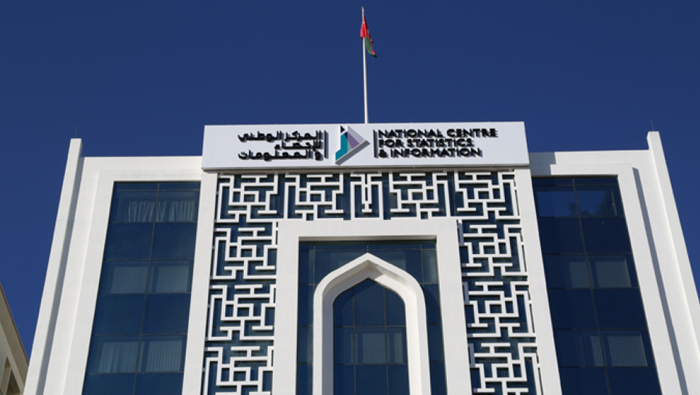
Muscat: The National Centre for Statistics and Information (NCSI) recently released the fifth issue of its series of “Towards the Achievement of the Sustainable Development Goals (SDGs 2030),” a revised version of the first issue that was released in September 2017.
The latest issue includes indicators that have been updated to highlight the national achievements towards the SDGs 2030. This issue outlines the third of the 17 SDGs, which aims to address urgent global challenges by 2030. The third goal includes 13 targets to ensure that people of all age groups enjoy healthy lifestyle and wellbeing.
The first target within the third goal of the SDGs 2030 is to reduce the global maternal mortality rate to less than 70 per 100,000 live births. The Sultanate has achieved this target included in the SDGs 2030 by recording only 15.1 of maternal deaths (female deaths by any reason related to pregnancy or its management) per each 100,000 live births. Health authorities in the Sultanate are keen to achieve safety for mothers before, during and after childbirth by providing appropriate health services in the reproductive health field.
The issue pointed out that more than 98 per cent of the deliveries in the Sultanate during the period from 2010 to 2018 were under medical supervision by skilled specialists, which reflects the comprehensive coverage of providing healthcare services in the Sultanate for mothers during childbirth.
As for the goal of preventing deaths of newborns and children under the 5 years of age, the Sultanate has achieved mortality rate not exceeding that of 25 deaths per 1,000 live births since 2010. The country also had a reduced neonatal mortality rate per each 1,000 live births from 7.4 deaths in 2010 to 5.5 in 2018.
The report shows that the Sultanate has achieved a lot with regard to the target of eliminating AIDS, tuberculosis, malaria and neglected tropical diseases, and combat hepatitis, water-borne diseases and other communicable diseases by 2030. The number of new registered cases of Omanis with AIDS in 2018 reached 145 cases. Of this, 75 per cent were males and 25 per cent were females, with 97 per cent of them still being alive by the end of 2018.
The issue also pointed out that the efforts of the Ministry of Health have resulted in a decrease in the incidence of tuberculosis infection between 2010 and 2018, where the rate of the incidence of tuberculosis among citizens reached 3.8 cases per each 100,000 people and about 7.3 cases per each 100,000 people among non-citizens in 2018. The incidence rate of malaria reached 0.007 cases per each 1,000 people, which is the equivalent of 7 new cases of malaria per million people in 2018. The number of people who were infected with hepatitis B in the Sultanate was 0.46 cases per each 100,000 people in 2018 compared to 0.72 cases per 100,000 people in 2017. The number of people who need medical interventions to fight the neglected tropical diseases reached 71 people in 2018, out of the total population of the Sultanate.
Premature deaths from non-communicable diseases have been reduced by a third through prevention, treatment, and promoting mental health and safety by the year of 2030. The Sultanate has recorded a decline in the rate of death by cardiovascular diseases, cancer, diabetes, and chronic respiratory diseases from 126 death cases per each 100,000 residents in 2010 to about 100 cases per each 100,000 citizens in 2018.
With regard to reducing the number of global deaths and injuries due to traffic accidents by half, the issue shows that the efforts of the Royal Oman Police (ROP), in collaboration with various government agencies, has resulted a significant reduction in road accidents, recording a decline by 53.4% in the rate of deaths resulting from the traffic accidents between 2010 and 2018.
Regarding the goal of ensuring universal access to sexual and reproductive healthcare services for all, including for family planning, information and education, and the integration of reproductive health into national strategies and programs by 2030, the number of women within childbearing age (15-49 years) who were satisfied with modern methods of family planning was 39.6% in 2014, according to the latest national survey carried out in this field. The rate of childbearing among adolescents (age group from 15 to 19 years) reached 10.5 cases per each 1,000 women in 2018, down from 12.5 cases in 2017.
As for the goal of achieving universal health coverage, including financial risk protection, access to quality essential healthcare services and access to safe, effective and affordable essential medicines and vaccines for all, the comprehensive health coverage in the Sultanate reached 75 per cent in 2018.
As for the goal of substantially reducing the number of deaths and illnesses caused by hazardous chemicals, as well as air, water and soil pollution and contamination by 2030, the mortality rate attributable to household and ambient air pollution in the Sultanate reached 9.6 cases per 100,000 people. The deaths caused by inadequate water, sanitation and hygiene have dropped, and the rate is decreasing every year. In addition, there were no deaths among Omanis due to unintentional poisoning during the period between 2017 and 2018.
In strengthening the implementation of the WHO Framework Convention on Tobacco Control in all countries, as appropriate, the results of the National Survey of Non-communicable Diseases and their risk factors for the year 2017 showed that the prevalence of tobacco use has doubled compared to the results of the previous survey carried out in 2008. The rate of tobacco use is still considered relatively low while the percentage of smokers reached 8 per cent in Oman (6 per cent of Omanis are smokers compared to 13.4 per cent non-Omanis). The survey data indicates that the prevalence of smoking among males is higher than that of females, where the rate among males is 15.1 per cent and the rate among females is 0.4 per cent.
As for the target of supporting the research and development of vaccines and medicines for communicable and non-communicable diseases that primarily affect developing countries and to provide access to affordable essential medicines and vaccines at reasonable prices, in accordance with the Doha Declaration on the TRIPS Agreement and Public Health, which affirms the right of developing countries to use to the full, the provisions in the Agreement on Trade-Related Aspects of Intellectual Property Rights regarding flexibilities to protect public health, and provide access to medicines for all, the Sultanate, represented by the Ministry of Health, has developed health system. It has managed to provide vaccination against several diseases nationwide by 100%, especially for children since 2010 till date.
In the goal of substantially increasing heath financing and recruitment, training and retention of health workforce in developing countries, especially in least developed countries and small island developing states, the distribution and density of health professionals indicates that there are 21 doctors, 44 nurses, 3.1 dentists and 5.9 pharmacists for every 10,000 residents.
The issue also pointed out that Oman is 100 per cent capable of implementing international health regulations and always ready to face health emergencies challenges.
NCSI is the authority responsible for monitoring the indicators of the SDGs 2030, in cooperation with the relevant authorities and entities in the Sultanate, by providing the necessary data and indicators according to international standards.
The global implementation of 2030 sustainable development plan started in 2016, which is considered a transformational action plan based on the 17 SDGs and aims that address urgent global challenges until the year 2030.