Monday 12 / October / 2026
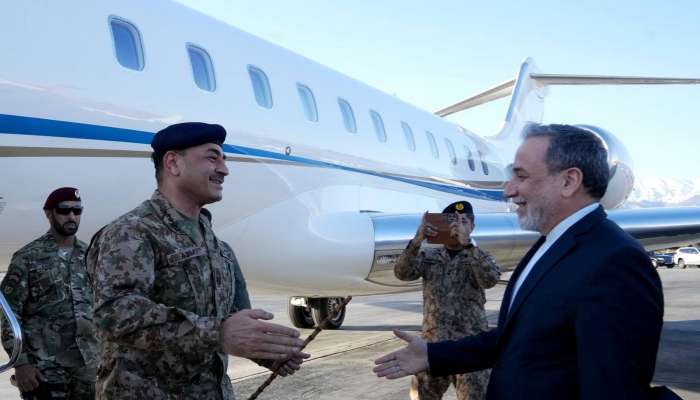
Tehran: Amidst a fragile two-week ceasefire and a looming naval blockade, Pakistan's Chief of Army Staff arrived in Tehran on Wednesday.
His high-stakes visit is seen as a final-hour attempt to resuscitate peace negotiations between Washington and Tehran after the "Islamabad Talks" ended without a breakthrough.
General Munir, accompanied by Interior Minister Mohsin Naqvi, was received by Iranian Foreign Minister Abbas Araghchi.
According to Iranian state media and diplomatic sources, the delegation is carrying a specific new message from the United States intended to outline a framework for a second round of high-level negotiations.
This diplomatic push in Tehran comes as US President Donald Trump indicated that, while he is not considering extending the ongoing two-week ceasefire, a negotiated settlement remains the preferred path.
Speaking to ABC News' Chief Washington Correspondent Jonathan Karl, the US President expressed confidence that extending the truce would not be necessary, remarking, "I think you're going to be watching an amazing two days ahead. I really do."
Building on this sentiment, when questioned on whether the hostilities would conclude through a deal or the neutralisation of Iranian capabilities, Trump emphasised the benefits of a diplomatic resolution.
"It could end either way, but I think a deal is preferable because then they can rebuild," he stated, adding that "no matter what, we took out the radicals."
The urgency for such a breakthrough was further highlighted by Trump's suggestion that additional talks could materialise within the next 48 hours.
While initial discussions pointed toward a European venue, the US President later indicated a shift in preference, suggesting Islamabad as a more likely location for the second round of direct negotiations to end the seven-week conflict.